EGFRi (Epidermal Growth Factor Receptor Inhibitors) Targeted Therapies and Acne-Like Rash
The information below will help you manage skin problems that can happen while taking epidermal growth factor receptor inhibitors (EGFRi).
What are EGFRi?
EGFRi are a type of cancer treatment known as targeted therapies. Targeted therapies can cause side effects that are different from chemotherapy. Skin problems are a common side effect of EGFRi. More than half of patients who get certain targeted therapies will have a rash. This rash looks like acne and affects the face, scalp, neck, chest, and upper body. But while it may look like acne, it is not. It also affects the scalp. It is itchy and tender in most people.
Your health care provider will monitor you throughout treatment to make sure that your skin is cared for. They may prescribe medications (antibiotic pills and topical corticosteroids) that can ease the intensity of your symptoms. They may also recommend that you see a dermatologist (skin doctor) familiar with cancer treatments.
Which EGFRi can cause skin problems?
There are many types of EGFRi. Some types cause skin problems more often than others.
Skin problems are most often seen with the following EGFRi:
-
Afatinib (Gilotrif)
-
Dacomitinib (Vizimpro)
-
Cetuximab (Erbitux)
-
Erlotinib (Tarceva)
-
Gefitinib (Iressa)
-
Lapatinib (Tykerb)
|
-
Necitumumab (Portrazza)
-
Osimertinib (Tagrisso)
-
Panitumumab (Vectibix)
-
Pertuzumab (Perjeta)
-
Vandetinib (Caprelsa)
|
What do I need to know about my acne-like rash and other skin changes during EGFRi Treatment?
-
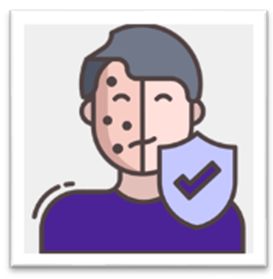
You may develop a rash during the first 2-4 weeks of treatment. It often starts on your face, chest, and upper back. The rash will improve over the next few months.
-
For most people, the rash is mild to moderate and does not affect daily life. However, for some patients, this rash can cause major discomfort that keeps you from your daily activities.
-
Sun exposure can make the rash more likely to develop, make it worse, or both. Stay out of the sun before starting this treatment. If you must go in the sun, wear a wide-brimmed hat and sunscreen with SPF 30 or higher. (Make sure the sunscreen is labeled “broad spectrum.”)
-
While acne-like rashes do not usually scar, they can leave behind discolored spots or darker areas. This is from the inflammation. On lighter skin tones, these are reddish spots. On darker skin, they appear as dark marks that can last for a while. You can avoid these lasting marks by preventing and properly treating any rashes.
-
Rashes can be prevented by using prescription medication. Please discuss with your healthcare provider.
-
Be sure to take photos of any rashes to show your care team. And always keep track of your medications.
How can I care for an acne-like rash at home?
-
Gently Cleanse: Use a mild, unscented cleanser and lukewarm water to gently cleanse the affected area once or twice a day. Do not scrub.
-
Use topical medications: Try a topical hydrocortisone cream to reduce inflammation and itching. (There are many brands available over the counter, including Coritzone-10 and Hytone.) Use this with an over-the-counter antibiotic ointment that has bacitracin or polysporin. Mix the hydrocortisone cream and antibiotic ointment together and apply to affected areas twice a day.
-
Use cool compresses: Apply cool compresses to the affected area for 10-15 minutes. Do this 2-3 times a day.
-
Avoid Irritants: Avoid potential irritants like harsh soaps, scrubs, fragrances, over-the-counter acne products and rough fabrics. These can make your rash worse.
When should I call my healthcare provider?
-
Call your provider if you have any of the following:
-
If you think you have an infection:
-
Swelling in affected areas
-
Chest pain or trouble breathing
-
Fever of 100.4°F (38°C) or higher
-
Chills
-
Unexplained rash or one that gets worse
-
Itching, pain or other troubling symptoms of a rash
-
Any blistering, peeling or open areas of skin
Modified, with permission, from Dr. Lacouture's Skin Care Guide for People Living With Cancer, Harborside Press 2012
©2024 NYU Langone Health. All rights reserved. Reviewed for health literacy. This information is not intended as a substitute for professional medical care. Always follow your health care provider's instructions.